World
Ground
Peace, Dignity And Equality
On A Healthy Planet
“Since wars begin in the minds of men and women, it is in the minds of men and women that the defenses of peace must be constructed.” This idea is beautifully philosophical. It says something deep about human nature. Wars don’t start with bombs first. They start with ideas, anger, fear, hatred, or misunderstanding inside human minds. If the mind becomes peaceful, educated, and respectful, then conflict has much less chance to grow. That’s why UNESCO focuses on education, science, culture, and communication. The theory is almost like a mental engineering project: educate minds → develop understanding → reduce hatred → build peace. Think of the human mind like soil. If you plant ignorance, you may grow conflict. If you plant knowledge and empathy, you grow cooperation. The whole organization operates on that philosophical seed. A related short line often used in schools is: “Building peace in the minds of people.”


Global Issues
As the world’s only truly universal global organization, the United Nations has become the foremost forum to address issues that transcend national boundaries and cannot be resolved by any one country acting alone. To its initial goals of safeguarding peace, protecting human rights, establishing the framework for international justice and promoting economic and social progress, in the seven decades since its creation the United Nations has added on new challenges, such as AIDS, big data and climate change. While conflict resolution and peacekeeping continue to be among its most visible efforts, the UN, along with its specialized agencies, is also engaged in a wide array of activities to improve people’s lives around the world – from disaster relief, through education and advancement of women, to peaceful uses of atomic energy. This section offers an overview of some of these issues, and links to other resources, where you can get additional information.
Africa
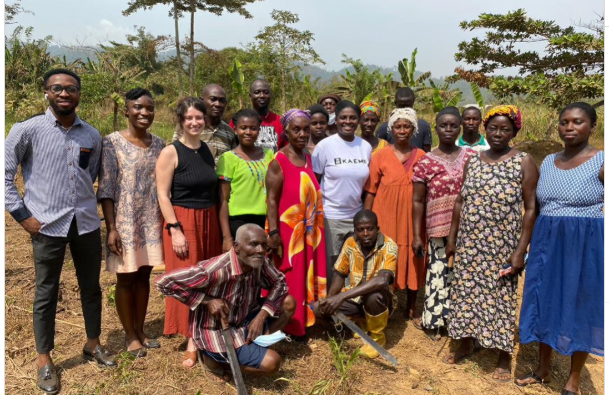
The UN system plays a crucial role in coordinating assistance of all kinds — to help Africa help itself. From promoting the development of democratic institutions, to the establishment of peace between warring nations, the UN is present on the ground supporting economic and social development and the promotion and protection of human rights.
Ageing
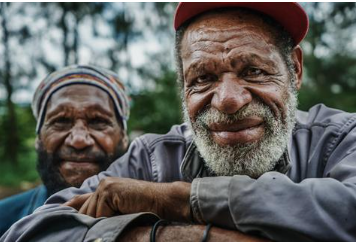
The world’s population is ageing: virtually every country in the world is experiencing growth in the number and proportion of older persons in their population. The number of older persons has increased substantially in recent years in most countries and regions, and that growth is projected to accelerate in the coming decades, but its sustained rise may peak by the end of the century.
AIDS
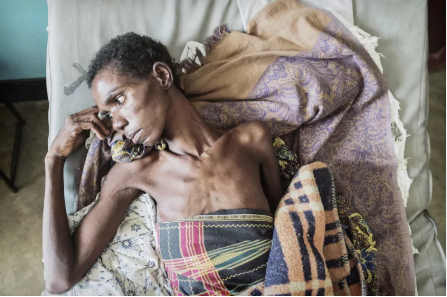
Since the beginning of the epidemic, 88.4 million people have become infected with HIV and 42.3 million people have died from AIDS-related illnesses. World leaders have pledged to cut HIV infections to below 370,000 a year by 2025. However, new infections are still high at 1.3 million in 2023 – more than three times the target.

Artificial Intelligence (AI)
Artificial intelligence (AI) has rapidly evolved since the mid-twentieth century, transforming various aspects of our world and has the potential to significantly support the UN by promoting inclusivity, reducing inequalities, and advancing around 80% of the Sustainable Development Goals (SDGs).
Atomic Energy
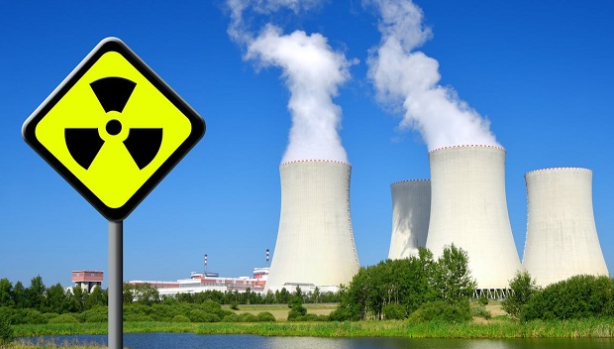
More than 50 countries worldwide are operating 417 nuclear reactors for electricity generation and 80 nuclear power reactors are under construction. The United States, China and France were the top three nuclear power producers in 2026
.
Big Date for Sustainable Development
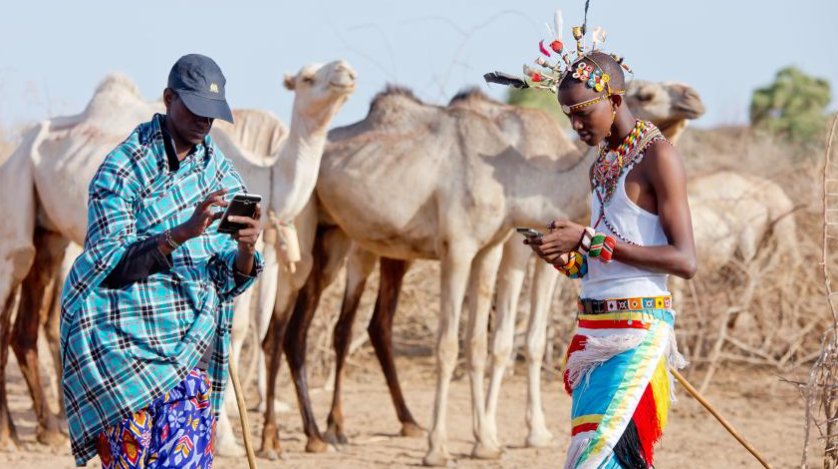
The volume of data in the world is increasing exponentially. New sources of data, new technologies, and new analytical approaches, if applied responsibly, can allow to better monitor progress toward achievement of the SDGs in a way that is both inclusive and fair.
Climate Change
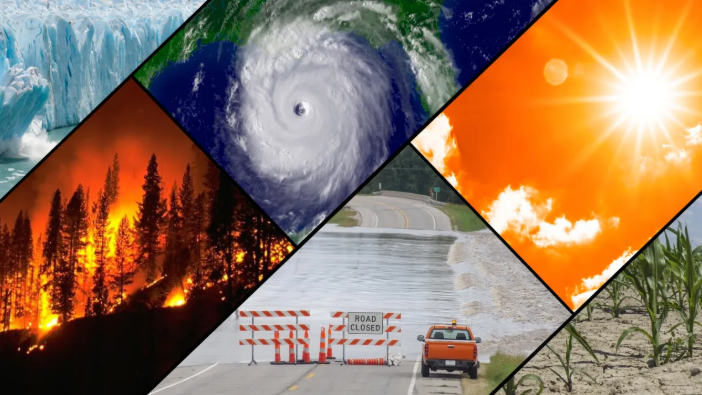
Climate change is one of the major challenges of our time. From shifting weather patterns that threaten food production, to rising sea levels that increase the risk of catastrophic flooding, the impacts of climate change are global in scope and unprecedented in scale.
Human Rights
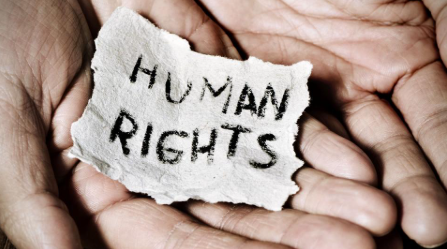
Promoting respect for human rights is a core purpose of the United Nations and defines its identity as an organization for people around the world. Member States have mandated the Secretary-General and the UN System to help them achieve the standards set out in the UN Charter and the Universal Declaration of Human Rights.
Peace And Security
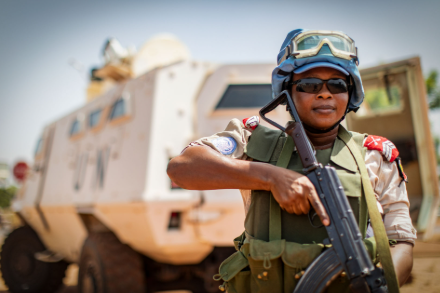
Saving succeeding generations from the scourge of war was the main motivation for creating the United Nations, whose founders lived through the devastation of two world wars.